
Brief overview of antibiotic use in Australia
Since Australia is trying to control bacterial illnesses and fight the growing problem of antibiotic resistance, the use of antibiotics is a very important issue that needs to be investigated.
Medications called antibiotics are used a lot in Australia and many other developed countries to treat bacterial infections. These infections can be anything from minor to life-threatening. These medicines are very important to the country’s healthcare system because they are used so often in both homes and hospitals.

Drug needs and ongoing public health efforts to improve antibiotic use are both reflected in the way antibiotics are used in Australia. Australia is one of the OECD countries with one of the highest rates of antibiotic use, according to the Australian Commission on Safety and Quality in Health Care. To keep these medicines working well, this number shows how important it is to use them wisely.
Antibiotics are subject to regulations in Australia that aim to prevent their overuse and misuse. They are prescribed for a wide range of diseases, from urinary tract infections to lung tract infections.
Officials from across the country have backed these rules, which encourage doctors to only give antibiotics when they are really needed.
Understanding Antibiotics: Types and Uses
Antibiotics are strong medicines that are made to fight illnesses caused by germs. They are an important part of modern medicine and save millions of lives every year by stopping germs in their tracks. Antibiotics can be made less mysterious if you know what they are, the different kinds, and how they work.
What Do Antibiotics Do?
Antibiotics are medicines that stop and treat illnesses caused by germs. These medicines either kill germs or stop them from growing and reproducing. This lets the body’s immune system get rid of the illness. It’s important to remember that antibiotics don’t work on virus illnesses like the flu or the common cold. It’s important to make this difference because using antibiotics when they’re not needed can make drug resistance worse.
Different Types of Medicine
There are several groups of antibiotics, and each one works in a different way and is used to treat different kinds of illnesses. These are some kinds of keys:
- Penicillins, like amoxicillin and penicillin G, are medicines that are often used to treat diseases on the skin, ears, and lungs.
- Cephalosporins, like cephalexin and cefuroxime, fight a lot of different illnesses, even the worst ones.
- Macrolides, like erythromycin and azithromycin, are medicines that are often given to treat respiratory tract illnesses and some sexually transmitted diseases.
- Fluoroquinolones, like ciprofloxacin and levofloxacin, are medicines that are used to treat urinary tract infections, stomach illnesses, and some types of pneumonia.
- Tetracyclines, such as doxycycline and tetracycline, are broad-spectrum antibiotics that can help a number of diseases, such as chlamydia and acne.
Emedpost Best Antibiotics
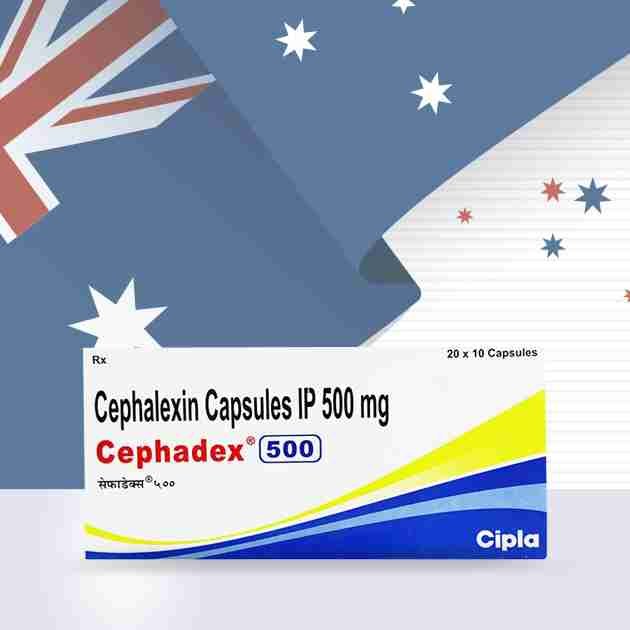
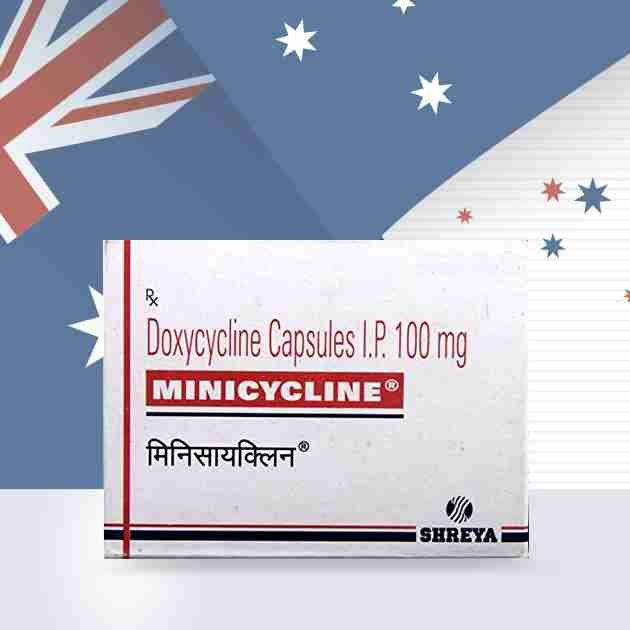
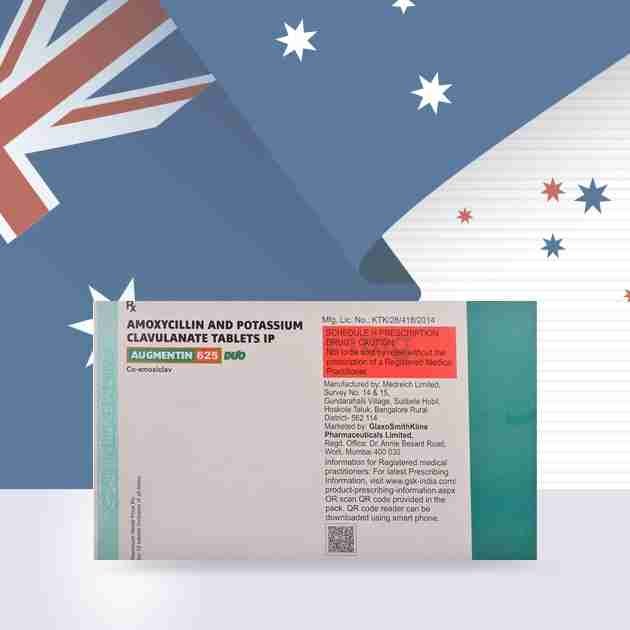
doxycycline is often used to stop malaria, help teeth stick together better and lessen gum pockets in people who have scaling and root planing for gum disease (periodontitis)
How Australia Deals with and Solves the Problem of Antibiotic Shortages
Antibiotic shortages have become a major global health issue that affects patient care, raises the risk of antibiotic resistance, and makes things harder for healthcare systems all over the world. This problem has been getting worse in Australia and many other places, making it harder to get medicines that are needed to treat a wide range of bacterial illnesses.
Recent shortages and how they’ve affected health care
Lately, there have been problems with key medicines that have shown how weak global supply lines are and how these problems can affect patient care and public health. These shortages usually happen because of issues with production or quality, rapid rises in demand, or economic reasons that make pharmaceutical companies less interested in making antibiotics. There are many effects:
- Treatment Delays: Patients may have to wait longer than expected to get the right medicine, which can make their illnesses last longer and make it take longer to get better.
- Costs may go up because hospitals may have to buy different medicines that are often more expensive. This puts a financial strain on both the hospitals and the patients.
- Risk of Inappropriate Use: If there isn’t the right drug available, there’s a higher chance that other antibiotics will be used in the wrong way, which could lead to more antibiotic resistance.
- Healthcare that isn’t as good as it used to be: Conditions that were once easy to treat with antibiotics can get harder to handle, which lowers the total level of healthcare.
F.A.Q.
In Australia, is it possible to buy Antibiotics without a prescription?
Antacids can only be bought with a prescription in Australia.
Do they use antibiotics in Australia?
About one-third of Australians (9.8 million) were given at least one Antibiotic. This is higher than in many other countries in the same situation, and it could be lower. Several factors have led to less use of antibiotics.
What kind of Antibiotic does everyone in Australia take?
In Australia, penicillin, with an extended range, is the most common type of Antibiotic. In Sweden, beta-lactamase-sensitive penicillin is the most common type of Antibiotic.
Can chemists in Australia give antibiotics?
They will ask you about your symptoms and health background. If they decide that you need treatment, they can give you antibiotics without a prescription. If needed, they may refer you to your doctor.
Are drugs hard to find in Australia?
You can narrow your search by using the following options. The Therapeutic Goods Administration (TGA) knows that some medicines, like amoxicillin, Cefalexin, and metronidazole, are in short supply in Australia.
Aussies, why is it so hard to get antibiotics?
Our main goal is to make it easier for people to get alternative drugs. Most of the shortages are due to problems with production or a sudden rise in demand. Many of these drugs have alternatives. A drugstore or doctor can give you a different opinion.